Advancing the Mentoring Mindset
At MENTOR Vermont, we believe mentoring is not just a program model.
It is a community norm.
Advancing the Mentoring Mindset is one of our core pillars because mentoring should not be limited to formal matches or designated roles. It should live in schools, workplaces, afterschool programs, justice settings, neighborhoods, and everyday interactions.
A Mentoring Mindset is a way of thinking and interacting that places young people at the center of our work and positions adults as true partners in a young person’s journey
When more adults adopt this mindset:
- More youth feel seen and valued.
- More adults feel confident and effective.
- More communities take shared responsibility for young people’s success.
This is how we broaden the reach and deepen the impact of youth mentoring across Vermont.
The Mentoring Mindset Framework
A Mentoring Mindset is built on four core pillars of commitments. Together, these commitments transform everyday interactions into powerful developmental relationships.
Intentional – “I See You”
“I will respect your voice, interests and identity, be fully present in our interactions and share my story with you. I commit to being self-reflective.”

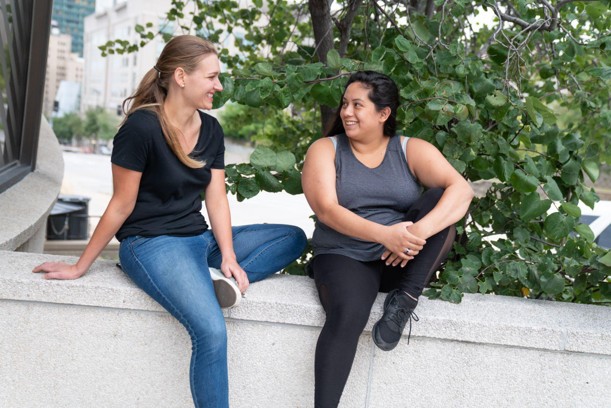
Supportive — “I got you.”
“I will be curious about you and your journey, be consistent in showing up, and collaborate with you to create a safe and healthy space for us.”
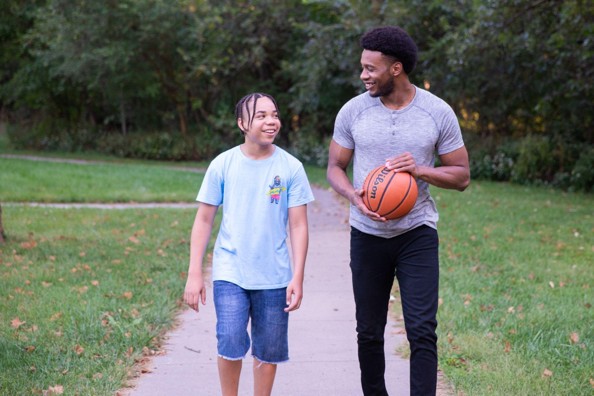
Developmental — “I’m here to help.”
“I will practice strength based approaches that both challenge and support you and your growth; contributing to goals that are meaningful to you.”
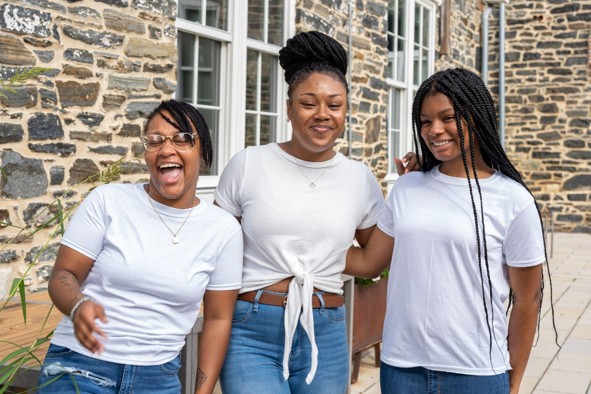
Communal — “We are in this together.”
“We will teach and learn from each other, leveraging networks and resources for the mutually beneficial growth of ourselves and our relationship, and our communities.”
From Individual Mentors to Relationship Centered Communities
Our vision extends beyond one-to-one mentoring.
We are working toward Relationship Centered Communities — networks where teachers, mentors, coaches, neighbors, peers, and family members intentionally foster young people’s growth and well-being.
In a Relationship Centered Community:
- Every young person is known.
- Every adult understands their influence.
- Support is proactive, not reactive.
- Opportunity expands through relationships.
Young people need consistent, meaningful interactions — a dense web of support, ensuring that they have access to guidance, encouragement, and care, empowering them to thrive socially, emotionally, and academically.
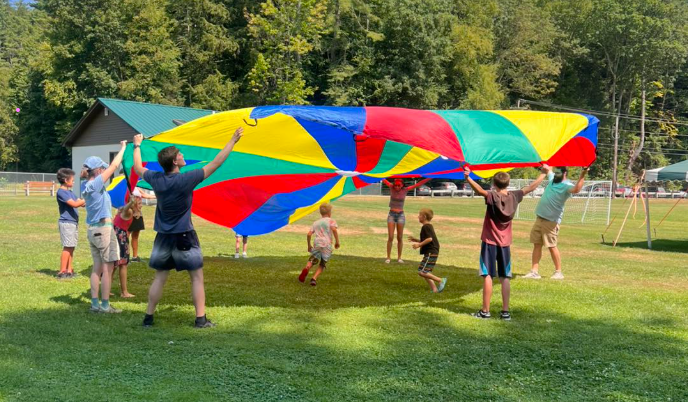
We are building communities that don’t just respond to youth — they surround them.
Why This Matters Now
One in three young people grows up without a mentor.
Systemic inequities continue to limit access to opportunity and adult networks.
Relationships are not a “soft” strategy.
They are infrastructure.
Advancing the Mentoring Mindset ensures:
- More adults are confident and effective mentors.
- More youth are engaged in meaningful, high-quality relationships.
- More communities in Vermont commit to mentoring as a shared responsibility.
This is how we move from isolated programs to statewide impact.
Partner With Us
MENTOR Vermont partners with mentoring programs, schools, youth-serving organizations, justice and human services agencies, workplaces, and community-based organizations to embed the Mentoring Mindset into culture and practice.
Through customized trainings and strategic partnership, we help organizations:
- Strengthen relational practice across staff
- Align systems with youth-centered values
- Expand young people’s networks and social capital
- Build cultures where belonging and growth are the norm
If your organization works with young people — directly or indirectly — you are part of their web.
Let’s make that web intentional.
Interested in bringing Mentoring Mindset training to your organization?
Connect with us to explore partnership opportunities.