Resources for Youth & Families
Gun Violence
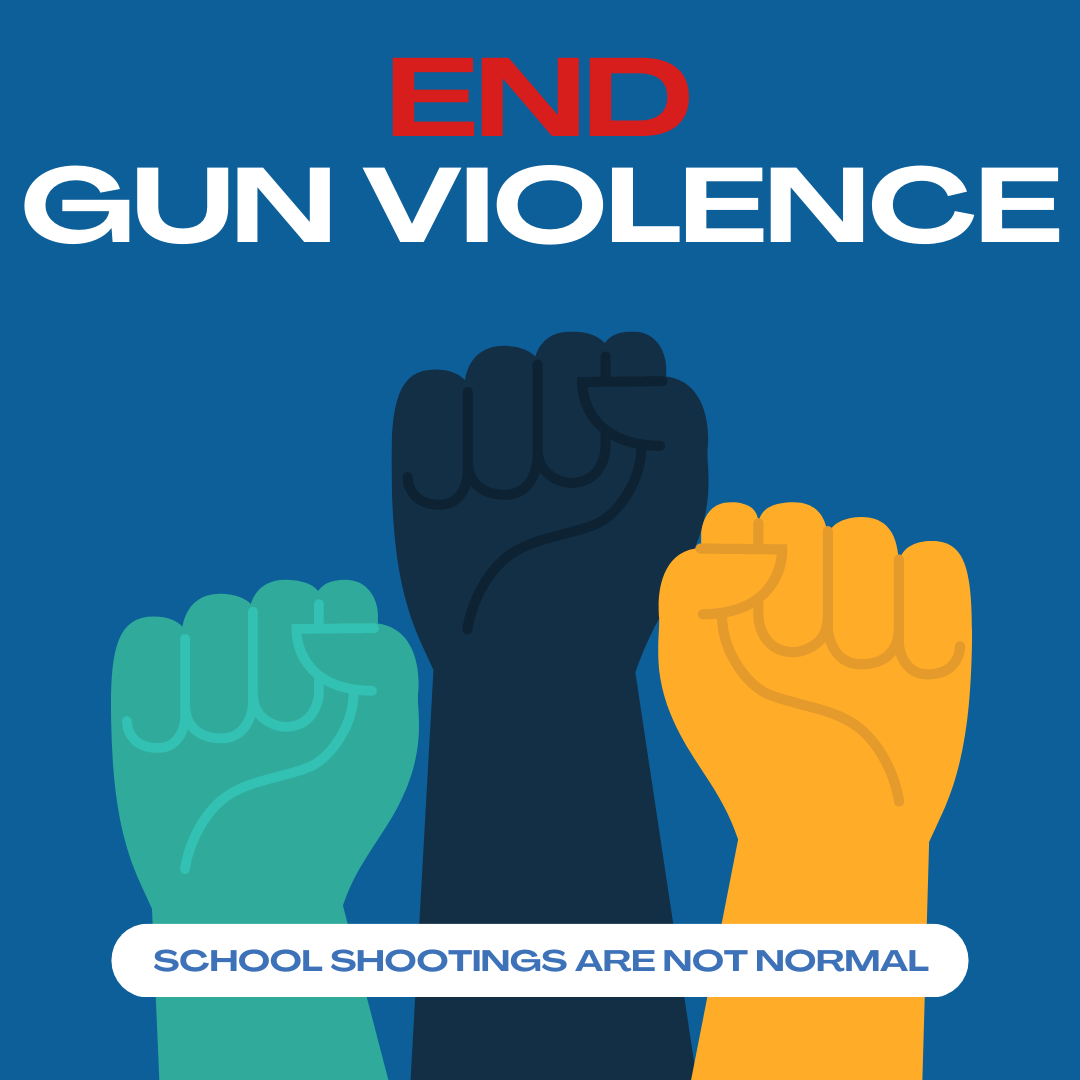
MENTOR Vermont is committed to advancing the safety, well-being, and quality of life of all young people in our communities. We stand with youth, mentors, and families across Vermont as we process acts of gun violence and their impact on our lives. We recognize that these events can be deeply distressing, and we are committed to ensuring that caregivers and mentors have access to supportive resources to help youth navigate these conversations with care.
- Resources After a School Shooting – LiberatEd
- How to Talk With Kids about Gun Violence – Psychology Today
- Caring for Kids After a School Shooting – Child Mind Institute
- Helping Kids with Tragic Events in the News – PBS
- Talking to Kids About Gun Violence – Repair the World
- Supporting Youth in the Wake of Trauma – MENTOR
Take Action Now
-
Email Congress: https://bit.ly/3abSe3O
-
5 Actions to End Gun Violence:
Politics, Immigration, and Youth Well-Being
The resources in this section offer supportive information for mentoring professionals on how to talk with and support young people during these moments. Links focus on helping adults respond calmly, acknowledge emotions, share age-appropriate information, and provide stability and care—without requiring expertise or definitive answers.
Resources and Helpful Links
- Helping Young People Process & Respond to this Moment
- Representative Balint’s Just For Kids
- Supporting our Youngest after a Community Tragedy
- Supporting Kids Impacted by Violence
- How to Talk to Kids about Tough Topics
- What to say to kids when the news is scary
- Talking to Kids About ICE and Immigration
- How to Talk to Children About ICE and Immigration
- How to Help Children and Youth Navigate the Political Climate and Current World Conflicts
- Know Your Rights: Immigration Resources
Mental and Emotional Health
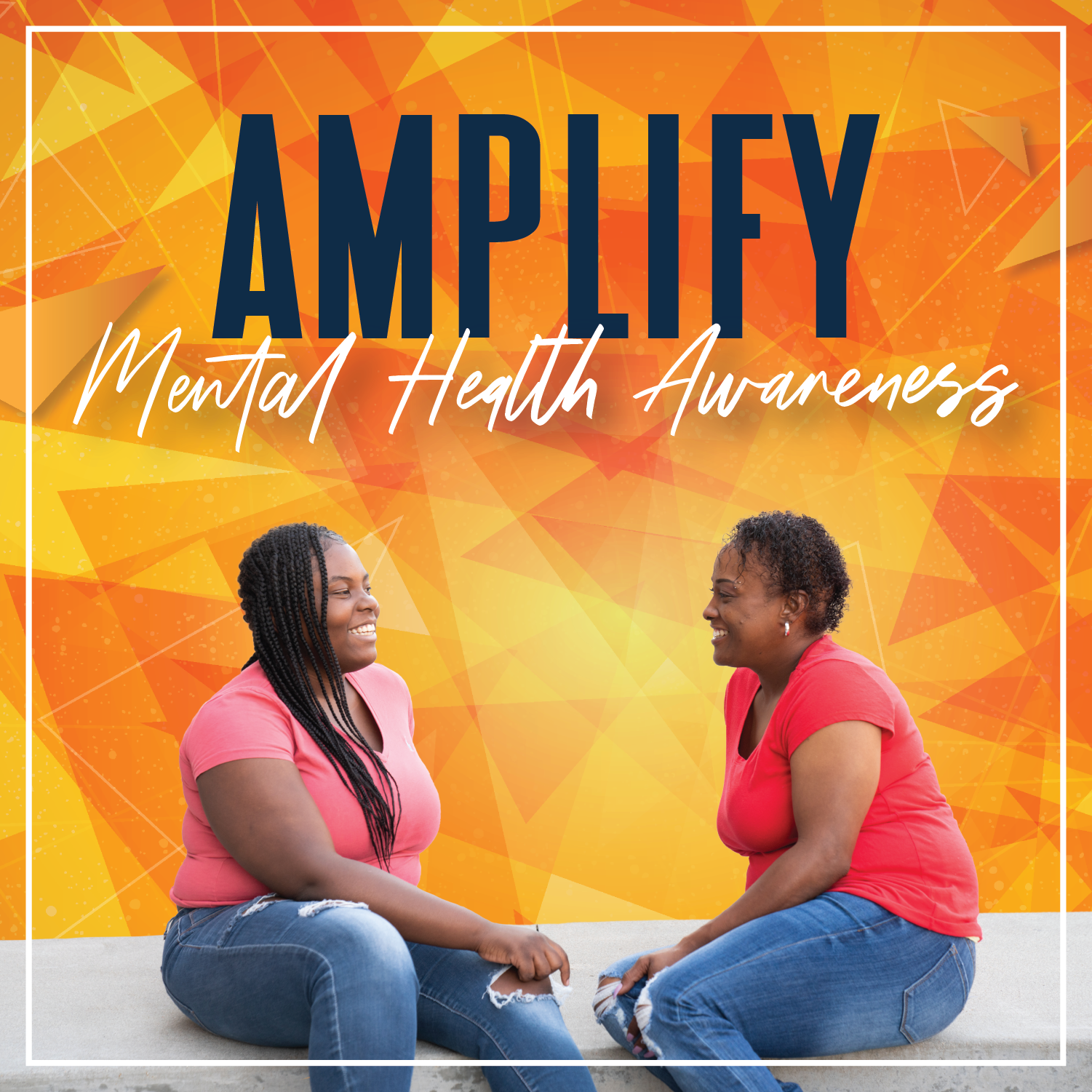
Mental and emotional well-being is essential to youth development, yet it is often overlooked. Mentors, through trusted relationships, may notice signs of stress or emotional struggle that others do not, and while they are not clinicians, they play an important role in listening with care, offering support, and connecting youth to appropriate resources. Youth ages 15–24 experience mental health challenges at higher rates than any other age group, with 70% of conditions beginning in childhood or adolescence. As leaders in the mentoring field, we are committed to reducing stigma and equipping mentors to support youth well-being so all young people can thrive.
Data pulled from We Charity.
RESOURCES
- Mentoring for Youth with Mental Health Challenges
- Teaching Social and Emotional Competencies in Mentoring Programs Webinar
- Social and Emotional Development in Early Adolescence: Tapping into the Power of Relationships and Mentoring
- Mentoring and Supporting Young People’s Mental Health and Well-Being
- Collaborative for Academic, Social, and Emotional Learning
- Afterschool Alliance SEL Toolkit
Home Displacement and Conflict
A refugee is someone who has had to leave their country because of war, violence, or fear of persecution. An internally displaced person (IDP) is someone who has been forced to leave their home but remains within their own country, including because of natural disasters. Refugees are protected by international law, while IDPs are protected by their own governments. You can learn more about refugees and IDPs here.
Displacement can be confusing and overwhelming, especially for young people. Caring adults can help by offering accurate information, listening openly, and supporting youth as they make sense of current events and the world around them.